Economic History of India
My research on the economic history of India offers a fresh interpretation of modernization, emphasizing markets, enterprise, environmental constraints, and long-term structural change rather than viewing development solely through the lens of colonial exploitation. The work traces the evolution of agriculture, industry, trade, labour, gender relations, and institutions since the nineteenth century, explaining how India’s transition from an agrarian economy unfolded unevenly across regions and sectors. By exploring entrepreneurship, technology, migration, inequality, and environmental change, I provide a nuanced account of India’s economic transformation over the last 150 years.
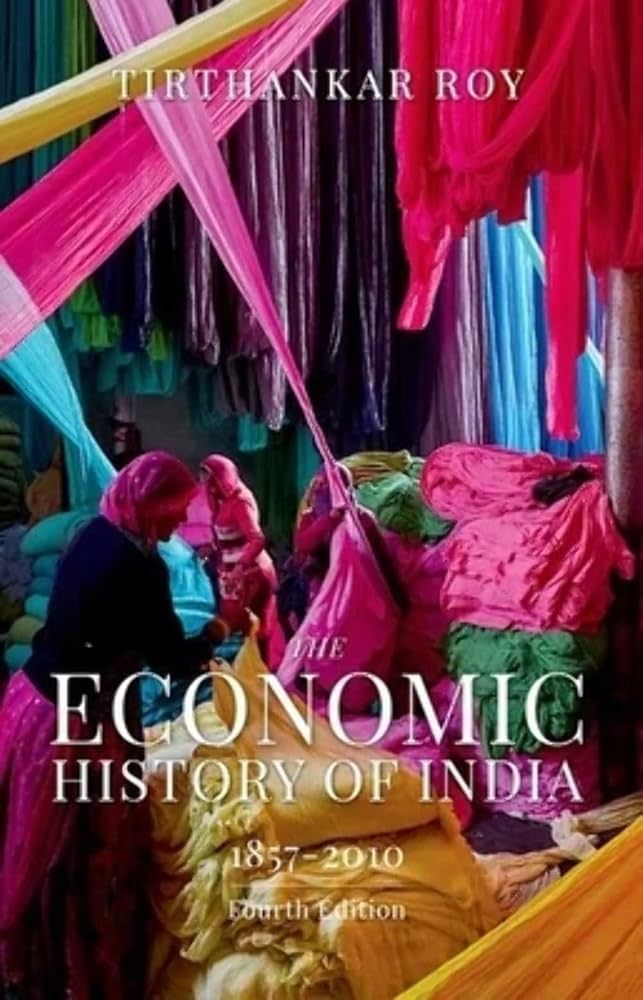
Economic History of India, 1857–2010 examines the central puzzles of India’s economic transformation. Why did inequality rise as non-agricultural incomes grew? Why did most workers remain in agriculture? Why was migration to cities predominantly male? How did life expectancy increase despite slow growth? And why did state capacity vary so widely across regions? Addressing these and related questions on environment and institutions, the book offers a fresh interpretation of India’s development from colonial rule to the early twenty-first century.
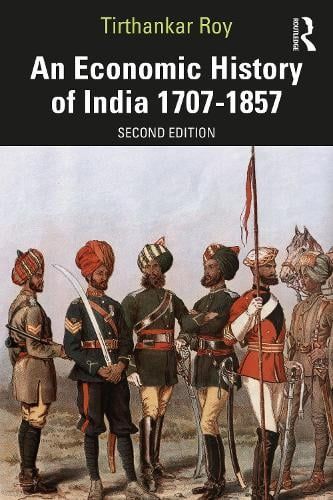
Economic History of India, 1707–1857 offers a new interpretation of the transition from the Mughal Empire to British rule. It argues that the rise of the East India Company reflected not only military and political change but also the shift of economic power from the inland to the coast, the growth of port-city capitalism, and new alliances between the state and Indian commercial interests that helped lay the foundations of modern India.
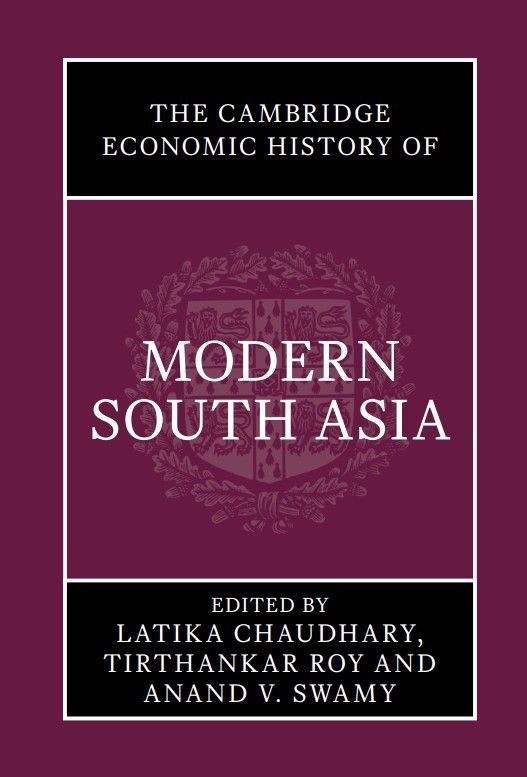
The Cambridge Economic History of South Asia (2026) surveys economic change across India, Pakistan, and Bangladesh from around 1700 to the present. Combining new research with long-standing debates, it traces the impact of colonial rule, the divergent paths of agriculture, industry, and trade, and the challenges of state-led development after independence. It also explores the transformative effects of globalization, migration, services, and private enterprise since the 1990s. Highlighting both remarkable progress and persistent inequalities, the volume offers a comprehensive account of South Asia’s economic history and the challenges that continue to shape its future.