History of the handicrafts - Traditional industry
Until the 1980s, historians generally argued that British industrial imports destroyed India’s craft industries, especially textiles. Mechanized spinning and weaving appeared so much more productive than hand production that artisans seemed doomed to decline and exclusion from industrial capitalism. Since the 1990s, however, this view has been reassessed. Scholars have shown that South Asian artisans often adapted and survived by drawing on a form of capital that machines could not easily replicate: design skill, product knowledge, and aesthetic expertise. Recognizing these capabilities as capital brings crafts back into the history of capitalism and offers a new understanding of how artisan industries changed under colonial rule, a theme I explore in several writings.
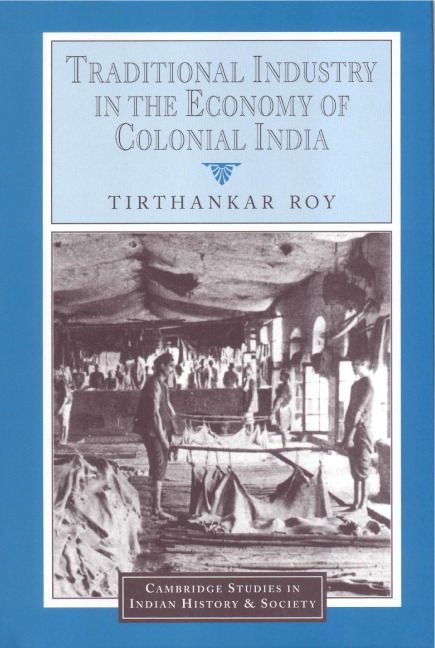
Traditional Industry (1999) challenges the view that colonialism destroyed India’s craft industries. Drawing on five traditional sectors, it shows how artisan production adapted to technological and market change during industrialization, shaping the emergence of modern manufacturing and making traditional industry a central force in India’s economic transformation.
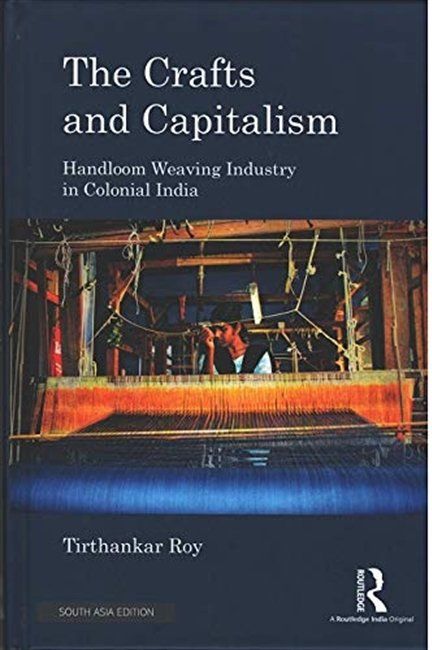
Crafts and Capitalism (2020) argues that India’s artisan industries endured and expanded not despite capitalism but through it. Their success rested on forms of capital embedded in design skill, technical knowledge, and product expertise, while unequal access to markets and resources widened the gap between winners and losers.